A Parent’s Guide to Understanding Irish Nanny Qualifications


Understanding the Basics of Irish Nanny Qualifications
Choosing a nanny for your child is a significant decision for any parent. In Ireland, certain qualifications can help assure you of a nanny's capability and expertise. While specific requirements may vary, understanding the basic qualifications can make the selection process smoother and more informed.

In Ireland, many nannies hold a qualification in childcare or early childhood education. These courses provide fundamental training in child development, safety, and care. Parents should look for certifications from recognized institutions to ensure the nanny has received a solid educational foundation.
Childcare Certifications and Their Importance
Childcare certifications are crucial as they equip nannies with the knowledge and skills needed to care for children effectively. Common certifications include FETAC Level 5 and 6 in Childcare, which cover essential topics such as health, safety, and nutrition. These certifications ensure that nannies are well-prepared to handle various childcare scenarios.
Additionally, having a certification in first aid is often recommended. A first aid qualification provides nannies with the skills to respond quickly and effectively in emergencies, offering peace of mind to parents.

Experience Matters: Practical vs. Academic
While academic qualifications are essential, practical experience is invaluable. Many parents prioritize experience when selecting a nanny, as hands-on experience often enhances a nanny's ability to manage real-life situations. Nannies with years of experience bring a wealth of knowledge about child behavior, routines, and activities that can benefit your child.
When interviewing potential nannies, inquire about their previous roles and responsibilities. Understanding their past experiences can provide insights into how they might fit into your family's needs.
The Role of Background Checks
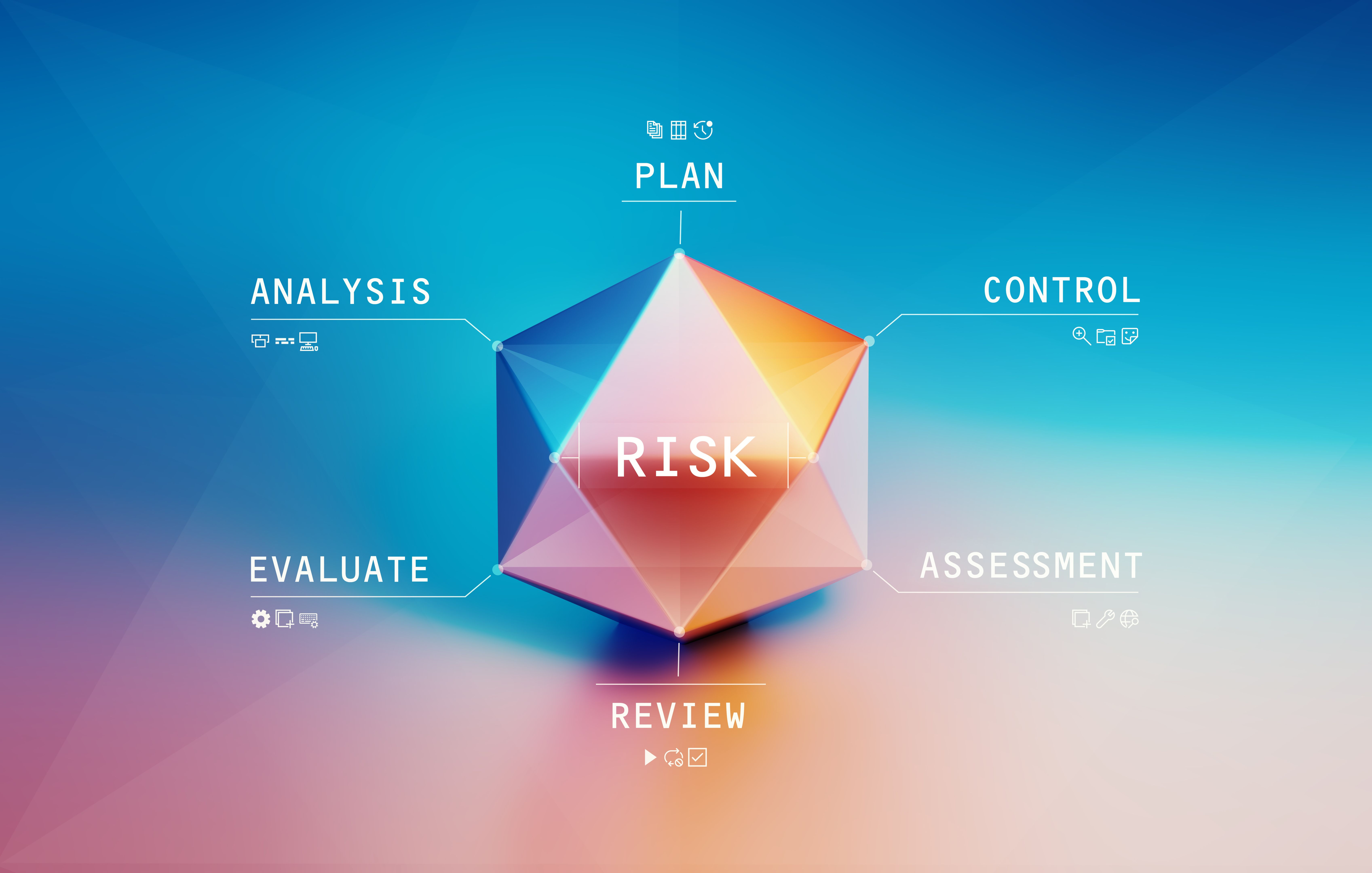
Conducting thorough background checks is another critical step in the hiring process. These checks typically include verifying previous employment, contacting references, and conducting Garda Vetting. Garda Vetting is a procedure conducted by the National Vetting Bureau in Ireland, ensuring that individuals who work with children have no relevant criminal history.
It's essential for parents to feel confident about the trustworthiness of their nanny. A comprehensive background check helps establish this trust and ensures the safety of your children.
Interviewing Potential Nannies
The interview process is an opportunity for parents to assess both qualifications and personal compatibility. Prepare a list of questions that cover childcare philosophies, discipline methods, and daily routines. This will help you gauge whether the nanny's approach aligns with your parenting style.
In addition to qualifications and experience, consider the nanny's personality and how well they might integrate into your family dynamics. A good rapport between the nanny and your family is vital for a successful working relationship.

Conclusion: Making an Informed Decision
Understanding Irish nanny qualifications gives parents a solid foundation for making informed decisions. By considering both academic qualifications and practical experience, conducting thorough background checks, and conducting in-depth interviews, parents can confidently select a nanny who meets their needs and ensures their child's well-being.
Ultimately, finding the right nanny involves balancing qualifications with compatibility. With careful consideration and diligence, you can find a dedicated professional who will care for your child with love and expertise.