
What Qualifications Do Irish Nannies Need? A Comprehensive Guide


Understanding the Role of an Irish Nanny
In Ireland, nannies play a crucial role in providing childcare, offering parents peace of mind as they manage their professional and personal lives. Understanding the qualifications necessary for nannies in Ireland helps ensure that children receive the best care possible. This guide outlines the key qualifications and requirements for aspiring nannies in Ireland.

Educational Requirements
While there are no specific educational mandates for nannies in Ireland, having a background in childcare or early education can be advantageous. Many families prefer nannies who have completed courses such as:
- Childcare Level 5 or 6: These courses provide foundational knowledge in child development and care.
- Early Childhood Care and Education (ECCE): This program offers a deeper understanding of educational frameworks and child psychology.
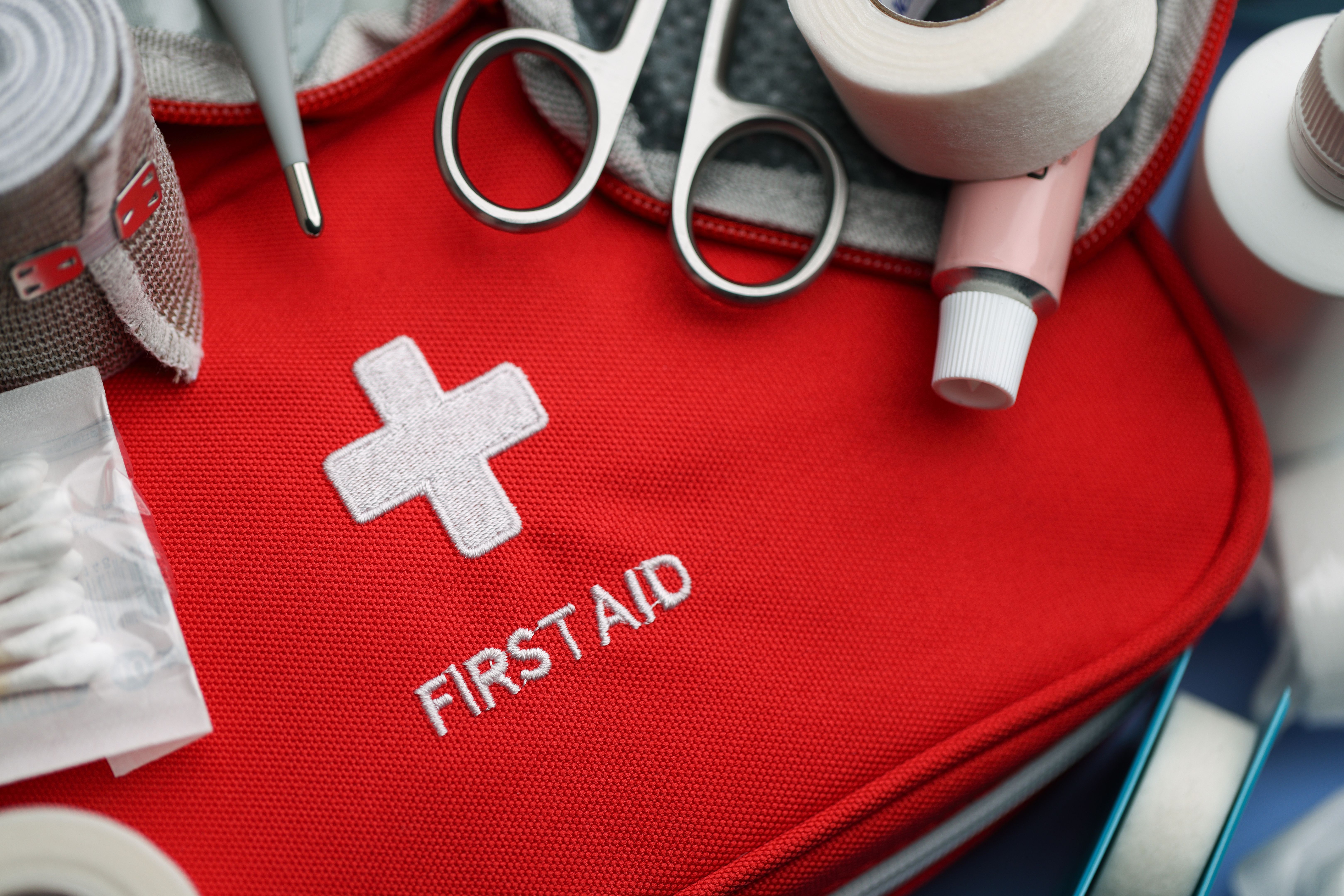
Certification in First Aid
Possessing a first aid certification is often a requirement, as it ensures nannies can respond effectively to emergencies. Courses in pediatric first aid are particularly beneficial and demonstrate a nanny's commitment to safety.
Experience and References
Experience is a critical factor for families when choosing a nanny. Many parents look for candidates with a proven track record in childcare. Having references from previous employers can significantly bolster a nanny's credibility. These references should highlight the nanny's reliability, ability to engage with children, and overall professionalism.
Skills and Attributes
Beyond formal qualifications, nannies should possess certain skills and attributes to excel in their roles. These include:
- Communication Skills: Essential for interacting with both children and parents.
- Patience and Empathy: Important for managing children's needs and emotions effectively.
- Organizational Skills: Necessary for planning activities and managing time efficiently.

Legal Requirements
Nannies working in Ireland must comply with legal employment standards. This includes having the right to work in the country, which may involve securing a work permit for non-EU nationals. Additionally, nannies are encouraged to have public liability insurance to protect themselves in case of any accidents or incidents.
Background Checks
Families often require nannies to undergo background checks, such as Garda Vetting, to ensure the safety and security of their children. This process involves a thorough examination of a nanny's criminal record, if any, and is crucial for building trust with potential employers.

Conclusion: Preparing for a Nanny Career in Ireland
Becoming a nanny in Ireland involves a combination of education, experience, and personal attributes. By meeting these qualifications and requirements, aspiring nannies can position themselves as trusted and competent caregivers. Whether you are just starting or looking to enhance your skills, understanding these essentials will help you succeed in your career.